
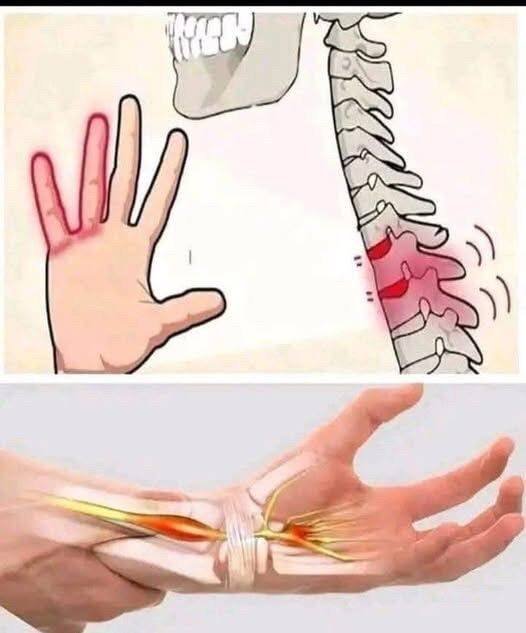
When you lie down and suddenly notice that your hands have gone numb or started tingling, it can feel strange and uncomfortable. This familiar sensation, often described as a body part “falling asleep,” is known as paresthesia. Although it may seem alarming in the moment, it is usually temporary and easy to explain.
The term refers to numbness, tingling, or that well-known pins-and-needles feeling that can sometimes come with a brief loss of sensation or difficulty moving the affected area normally. It most often happens in the hands, arms, feet, or legs.
In many cases, paresthesia occurs when a nerve is compressed for a period of time. This can happen if you sleep with your hand tucked under your head, sit cross-legged for too long, or remain in one position without moving. When this happens, the nerve is unable to send signals properly, which causes the strange sensation. Once you shift your position, the pressure is relieved and normal feeling usually returns fairly quickly.
One of the most common causes is nerve compression. When pressure is placed on a nerve, communication between the brain and the affected body part becomes interrupted. The body part is not literally falling asleep, but the nerve is temporarily unable to function normally. This is what creates numbness, tingling, and that prickling sensation people often describe.
Circulation can also play a role. If blood vessels are compressed for a short time, the area may not receive enough oxygen and nutrients. This can also lead to temporary numbness or tingling. As soon as you move and blood flow improves, the sensation usually fades away.
🔥 Continue Reading 👇 Next Page
For Complete Cooking STEPS Please Head On Over To Next Page Or Open button (>) and don’t forget to SHARE with your Facebook friends.
